In the beginning of our experiment it started off by collecting soil from Madelyn’s garden. When collecting our soil, we tested the ph levels and learned that our soil needed an increase in nitrogen levels to help in the growth of our lettuce seeds which was the final part in our experiment. We had to brainstorm ways as a group on how to increase the nitrogen levels on our soils and as a group we decided to use tea which we researched and learned that it could help increase the levels. As we were doing this there was some factors we should have thought of before hand which were where to place the pots, How many days per week did we have to water the pots, the amount of water because it had to be evenly distributed, and even how much of soil and seeds we were adding per pot. There were some things such as the placement of the pots that we didn’t think thorough because we had left them in front of a cold window . There was also the Thanks Giving break that we took where we did not take the pots with us to water. Overall, This whole experiment was interesting to do and well worth our time because we learned how to manage our soil and in what ways we could make it better and how factors influence our growth of the lettuce and also how to deal and learn from our errors. When others do this with the soil, they should know exactly how much soil they are going to need and what resources are good for increasing their ph levels of the soil if needed.
Madelyn’s Conclusion
This project started a bit iffy with confusion and jumps with what my group members and I need to start and be able to end with. The soil that was provided was from my backyard. I thought it was going to be enough but as time went on, we realized we needed more soil so I went back to pick up more for our growing crops. We planned to have 20 cups of soil to grow. The soil ended up being not enough but enough to have a good amount of cups which ended up being 18, we were short on 2. We needed to know and learn the way to grow crops. With research, we were able to know and execute the growing of our crops. We came up with a plan of watering and nourishing the crops with the right amount of supplements. We found a way to add tea into our crops to help them grow over time and have good amount of nitrogen. We came up with watering our crops every 2-3 days so we won’t over water them to the point of them drowning. Our soil kept being very dry and we over watered them so they wouldn’t be as dry and hard. This was a mistake to be taken because our soil pots lacked sunlight and the proper nutrients to grow well. Our lack of not having enough soil and tea put into them for nitrogen didn’t help our soil analysis and agriculture remediation. This project was a fun experience to do. We learned a lot about proper growth for our plants and hopefully, we will not make the same mistakes again in the near future.
Conclusion: Valeria Mencia
For a month long we studied soil and the factors that have to be taken into consideration to be able to achieve the growth of crops. We learned the necessary nutrients and pH levels that plants need to be able to grow. In our project we decided to increase the levels of nitrogen within our soil sample to help the growth of the lettuce seeds which we used in our final experiment. There were many errors within our controlled and remediation experiment that caused us to fail and prevent the growth of our crops. The errors that occurred from our part was first the placement of our crops, we placed our pots in front of a very cold window which was opened and closed without us knowing that the incoming temperature would dry out all of the water from soil. Another one of our errors was the lack of water we added to the plants during a long holiday weekend, we did not take charge and assign our crops to an individual for care. The third error was the amount of soil used within the process. We did not have the necessary amount of soil to use for the growth of our crops the lack of soil indicates that our crops did not have the necessary nutrients to achieve growth. At the end of the day our soil lacked water, nutrients, and most important of all sunlight. There were many errors that if we had the chance to re-do this process, we would change the amount of these factors in our soil by increasing them and having a much better outcome of actual growth in both of our crops. There were many errors we did not expect to occur, but that was our first error. We were not ready for everything that could have happened.
Controlled Experiment
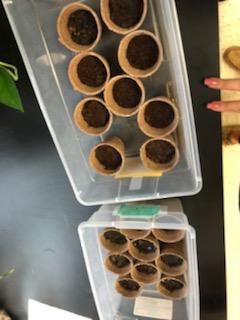
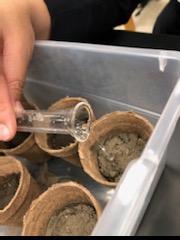
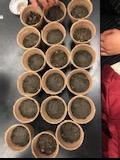
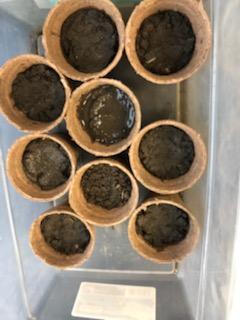
Remediation
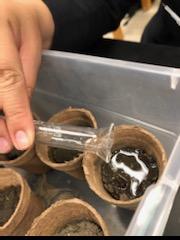
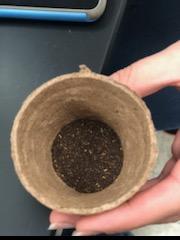
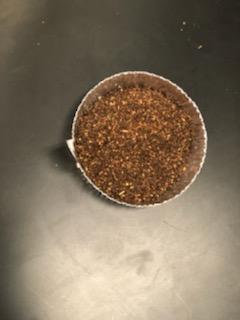
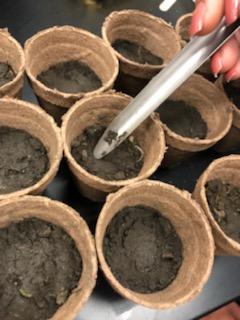
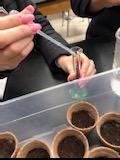
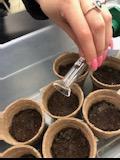
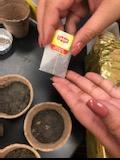
The measures we took in the soil remediation process were that we needed to increase the nitrogen within our soil. Our group decided to use unused bags of tea to increase nitrogen levels naturally. We used exactly 4.5 grams of unused tea for each pot of soil. We added the tea after we planted the seeds to secure that each plant received the same exact amount of added nutrients. For each pot we decided to fill it mid way with soil to secure that we had enough samples for testing. Each pot received three lettuce seeds which were planted about mid way of the soil sample. After planting the seeds and adding the 4.5 grams of unused tea to half of the samples we watered the pots. For each pot even those that we did not increase the nitrogen levels, we added 10 mL of water every Monday, Wednesday, and Friday. We took turns on which days each team member would water the plants to secure that everyone had a chance to participate equally with the caring of the plants after remediation occurred. Our expectations were for the lettuce samples that were in the soil samples with the unused pots to grow more than the seeds on the soil samples without the tea. We expected this because the invrease in nitrogen would help the nutrients be sufficient for the growth of the plants.
Soil Fertility Analysis
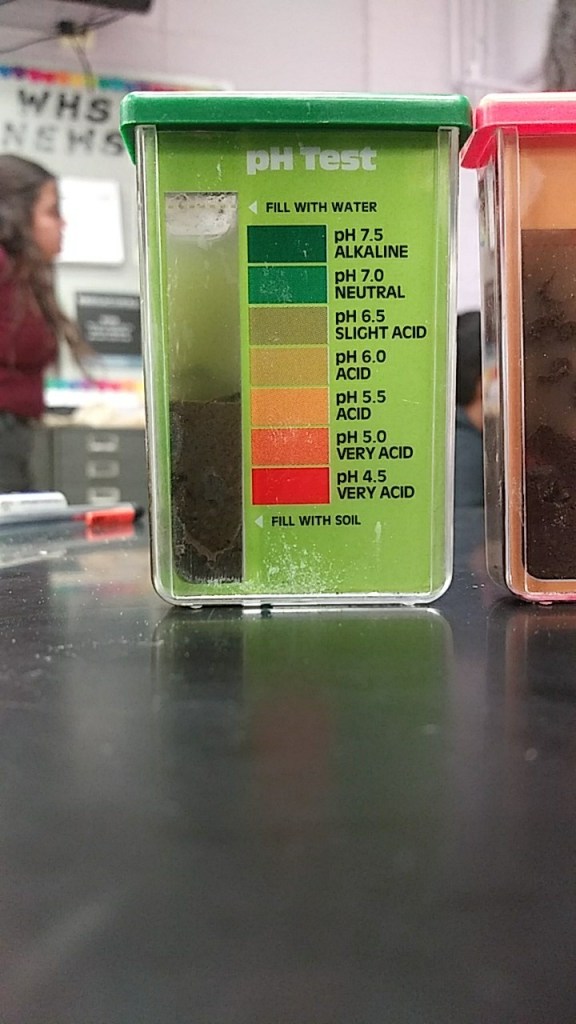
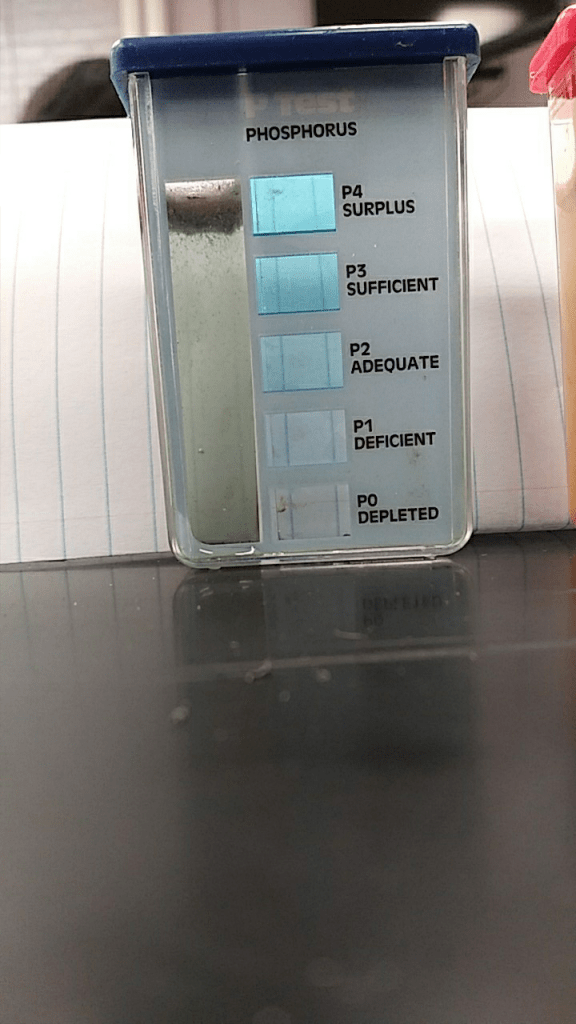
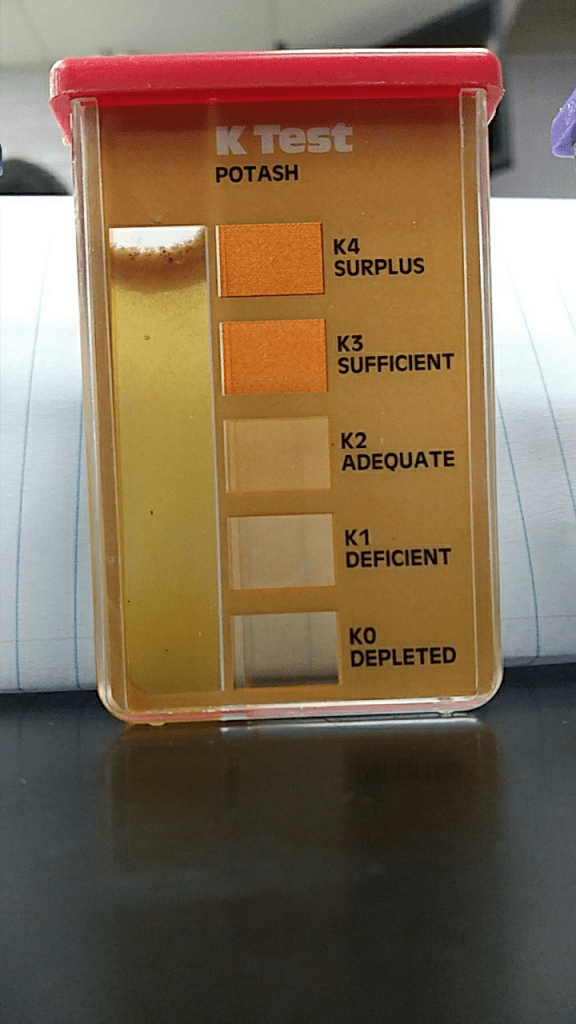
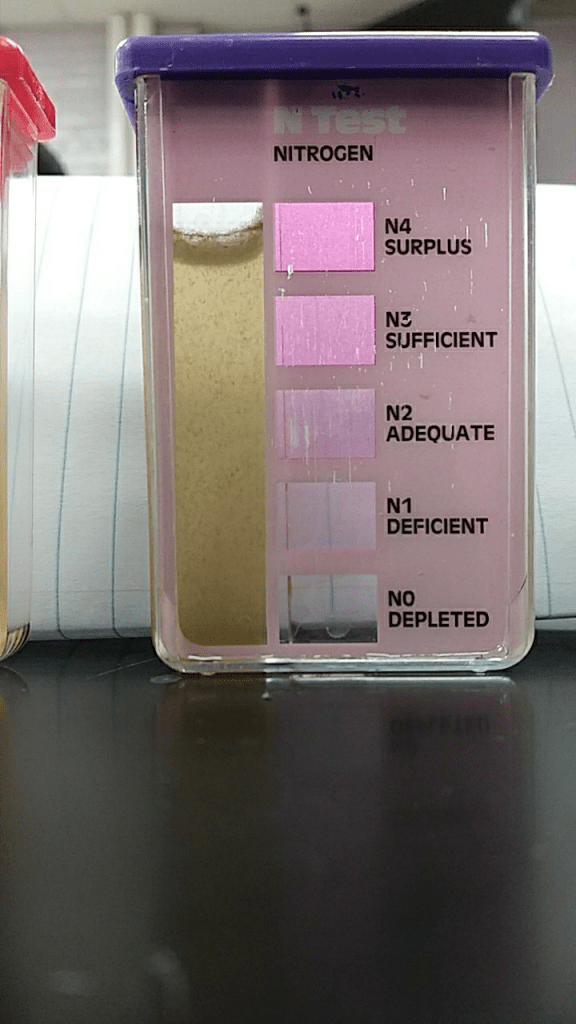
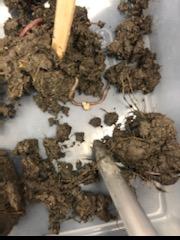
Based on our results of the tests we did to our soil sample we have come to the conclusion that our soil lacks nitrogen and has a stable amount of the nutrients, phosphorus, and potassium. The ideal pH range for the growth of plants falls between 5.5 and 7.0. Many plants are able to adapt to pH levels outside this range. The pH level for our sample falls between 6.5 and 7, indicating that the levels are just right for the growth of plants. The only plants growing in our sample was grass but there were also worms within the soil meaning that if there are enough nutrients for other organisms to grow then there are enough nutrients for other plants to grow and stay healthy. The grass is growing relatively healthy but there are no other plants there because the only outside factors impacting the growth of the soil is the cutting of it. Other plants are not being planted for the purpose of not affecting the soil. There are no pesticides being used to affect the growth of the plants.
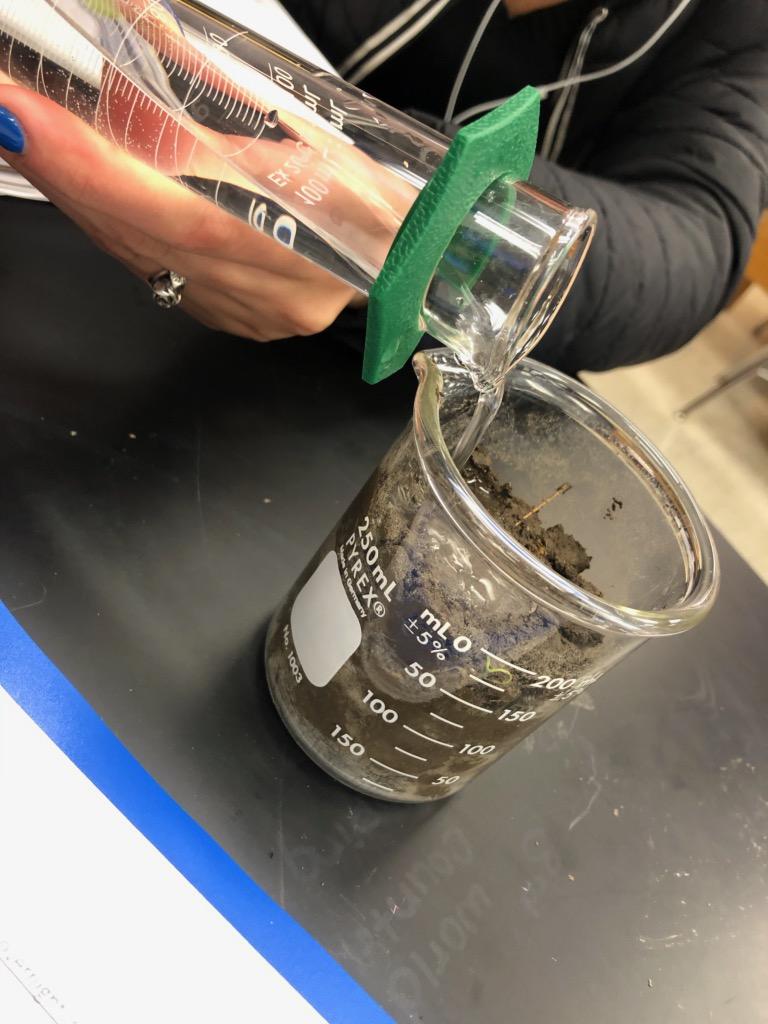
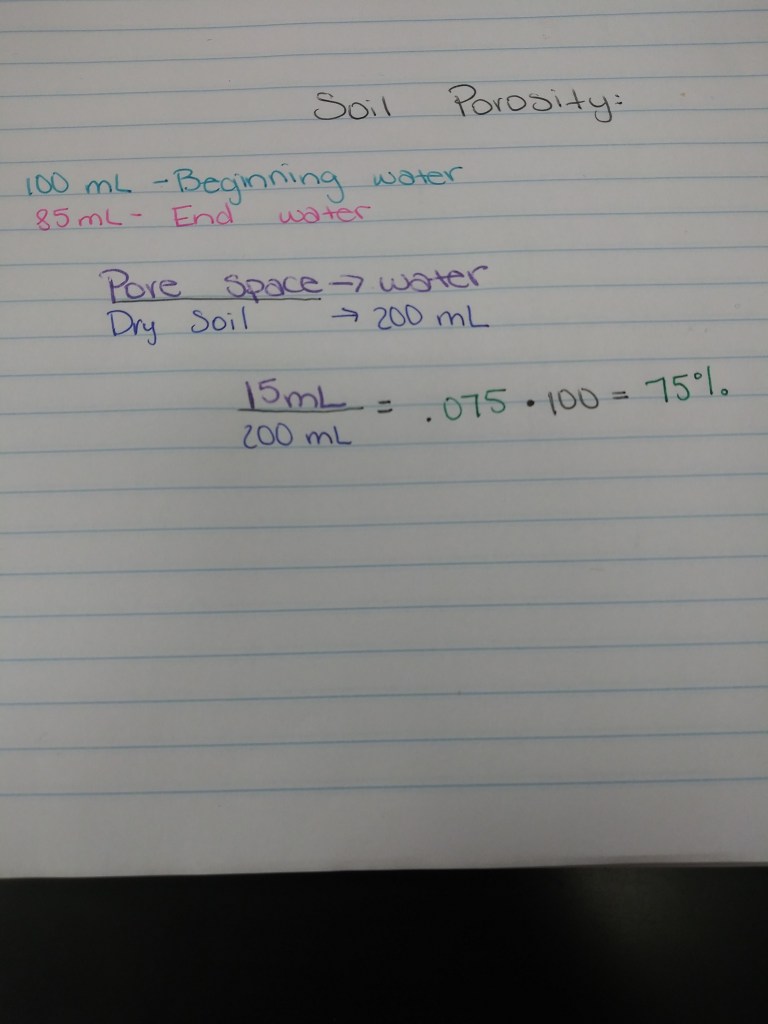
Soil Porosity
Quantitative Test:
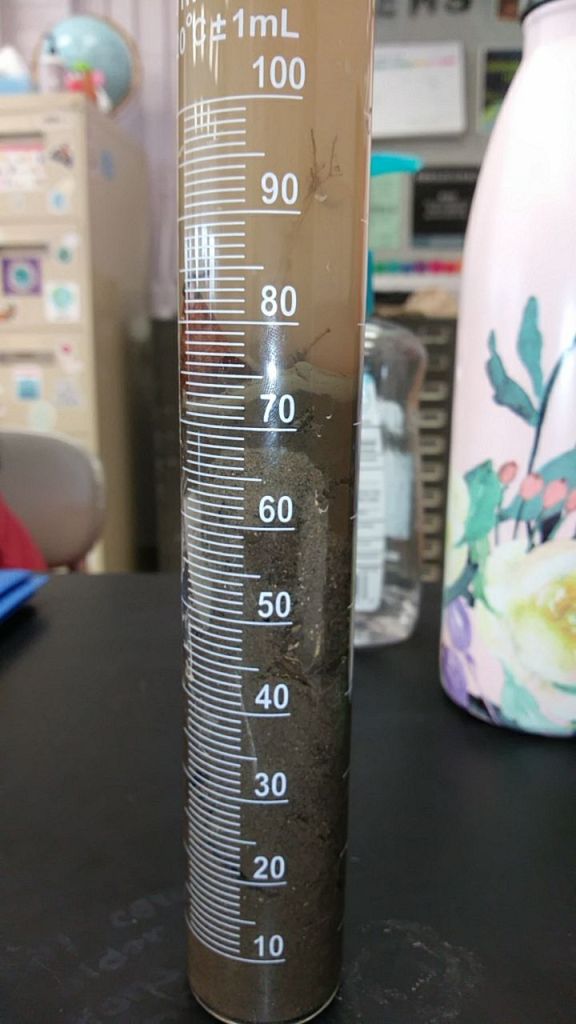
After placing our soil sample in a 100mL graduated cylinder mixed with water for about 24 hours we came to the conclusion that the type of soil we have is sand. We measured the height of each layer and the total height of the sample and obtained a 91% of sand, 4.5% of silt, and 4.5% of clay. This method compares to the qualitative method by helping us evenly divide the types of soils we have in our sample, which differentiates to other samples. Many of the soil texture results of other groups indicated that their samples were mainly silt loam. Many of the areas that had outside impacts such as salt used during the winter months landing on the grass and going into the soil. Also the use of pesticides were major areas in which loam was mainly found. We believe that the soils are the way that they are due to outside factors such as human impacts that may have changed the formations of the soil. Grass was the only plant growing naturally in the area where we took our samples from. Yes, plants prefer soil that has more sandy loam because loam has an even mixture of sand, silt, and clay.
Qualitative test:
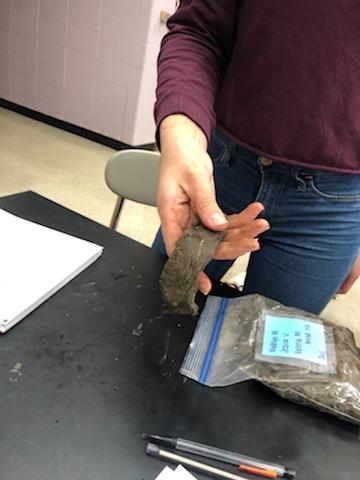
Images from testing our soil

In this image, Madelyn was creating an aluminum tray to place our soil and be able to weigh its mass and collect data.

In this image, Valeria was collecting our soil and putting inside a 100mL graduated cylinder and filling it up to 60-70ml of our soil sample. The sample also consisted of leaves/grass that was in the soil already.

The mixture of our soil with water to completely mix and make a free-moving slurry. This is the result after we placed our hand tightly over the open end of the cylinder and shook it.
 Soil Analysis and Agriculture Remediation